DEER
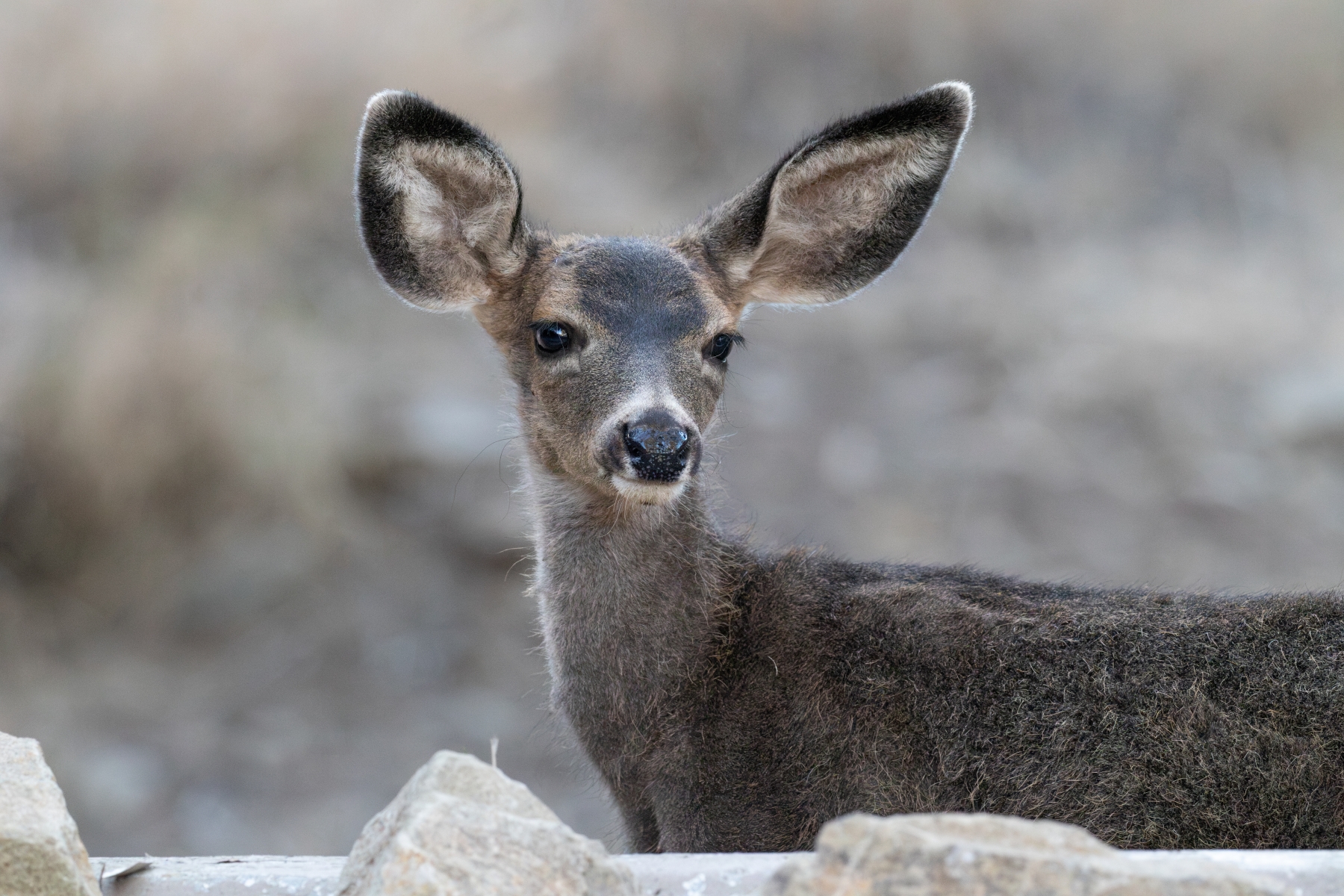
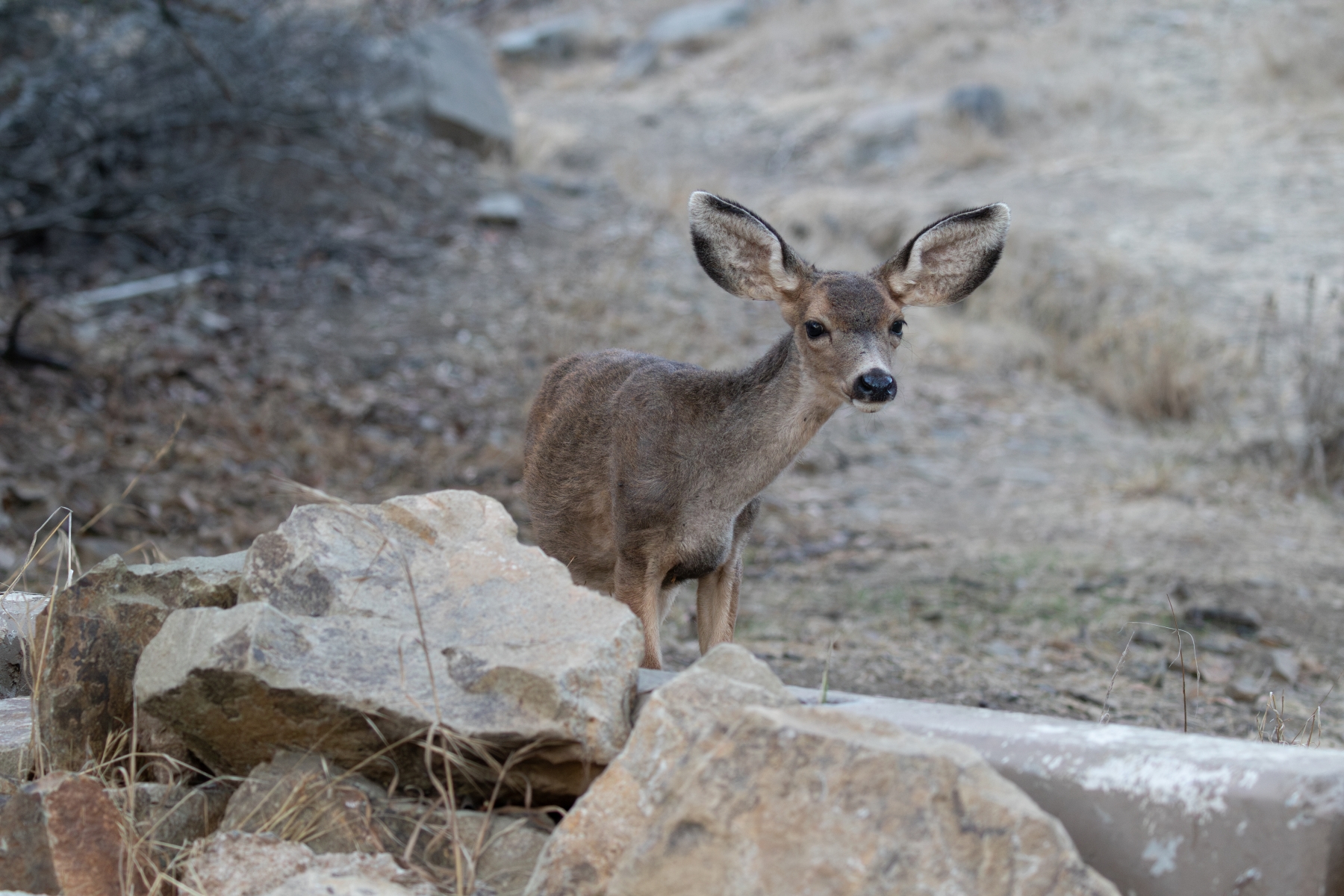
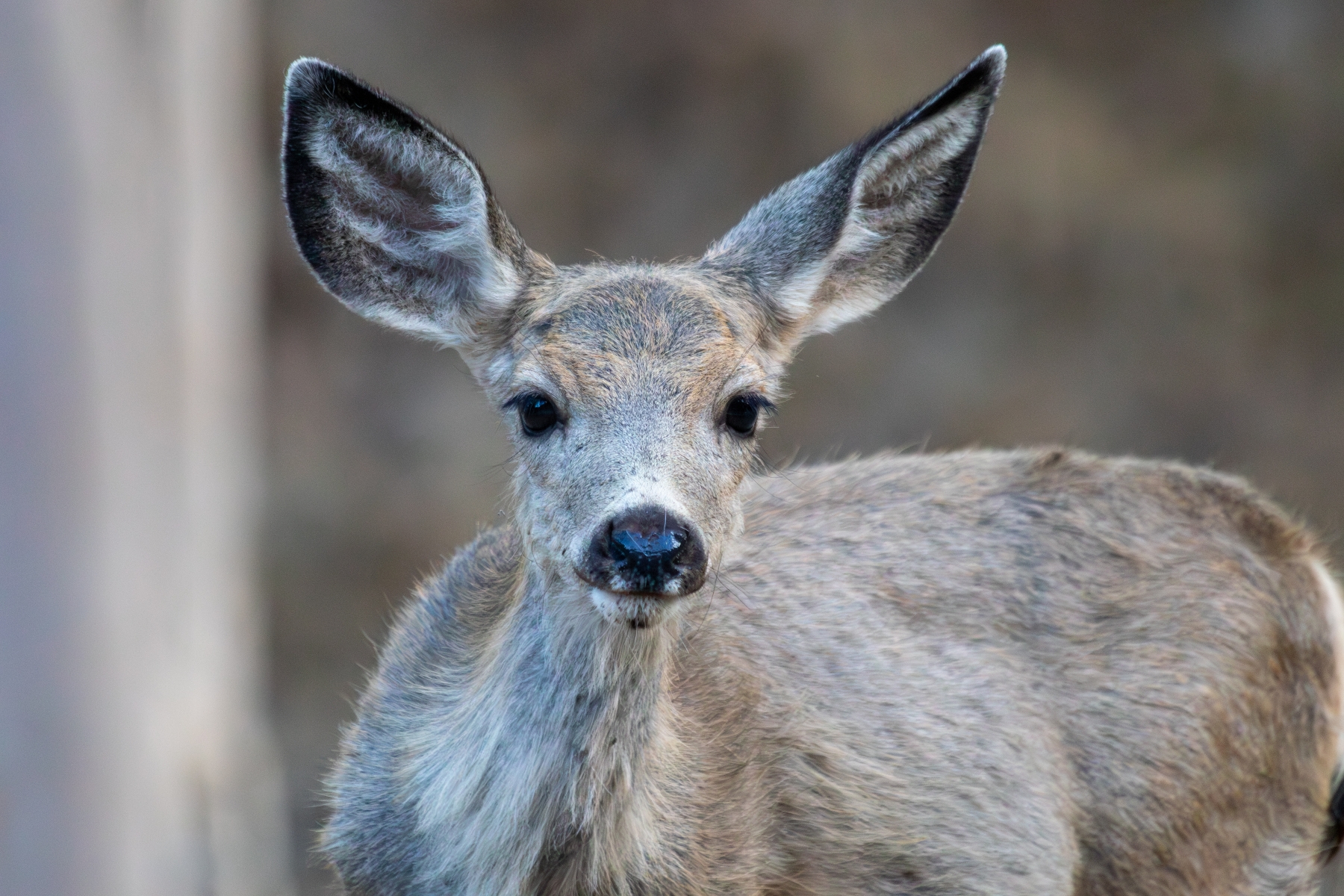
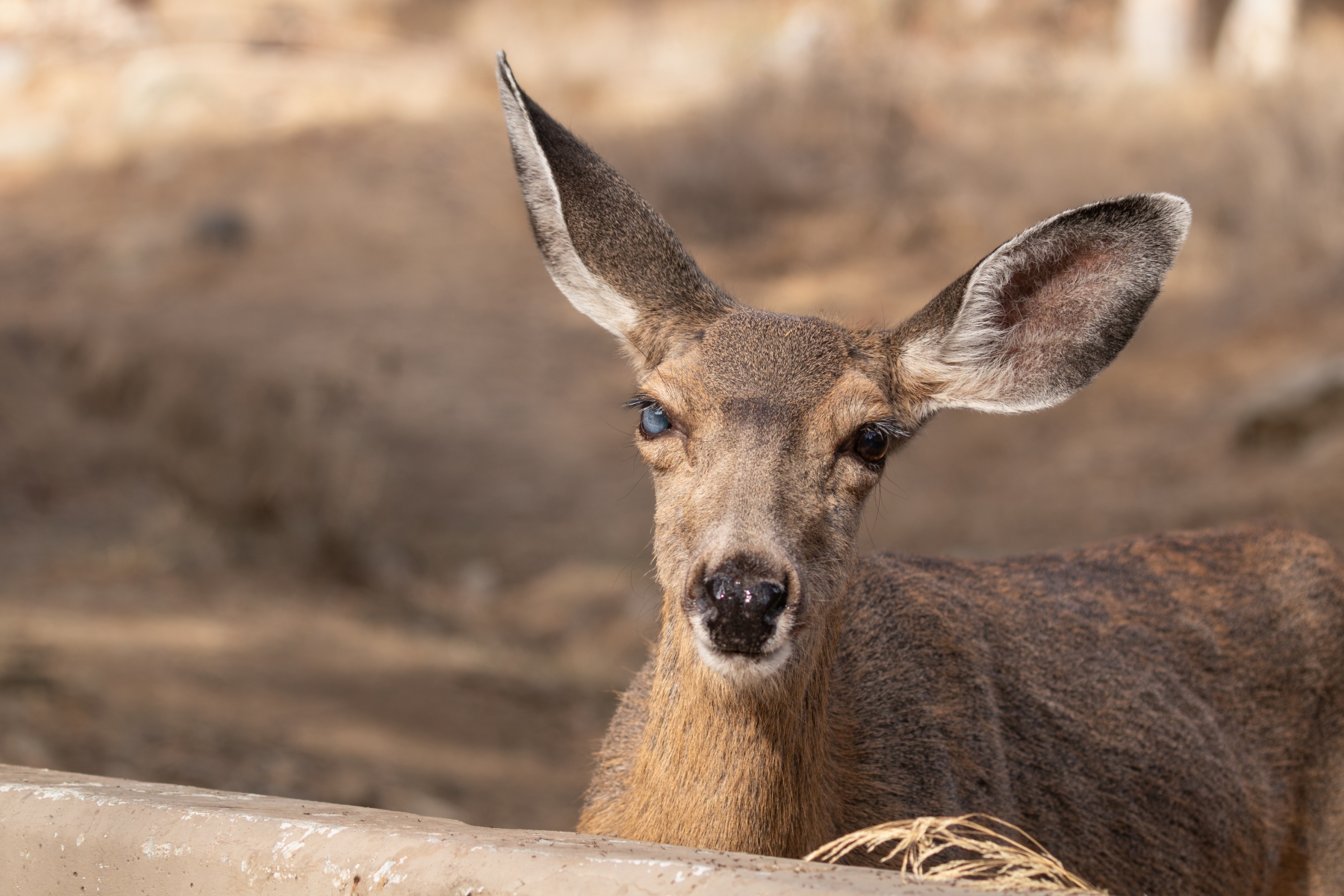
This Catalina Island deer photography collection captures the island’s unique mule deer in their natural surroundings. This collection features original wildlife photographs captured on Santa Catalina Island, highlighting these animals in their natural island environment. Select photographs are available as professionally produced fine art prints. Explore more Catalina Island wildlife photography in the Birds, Fox, Bison, and Squirrels collections.

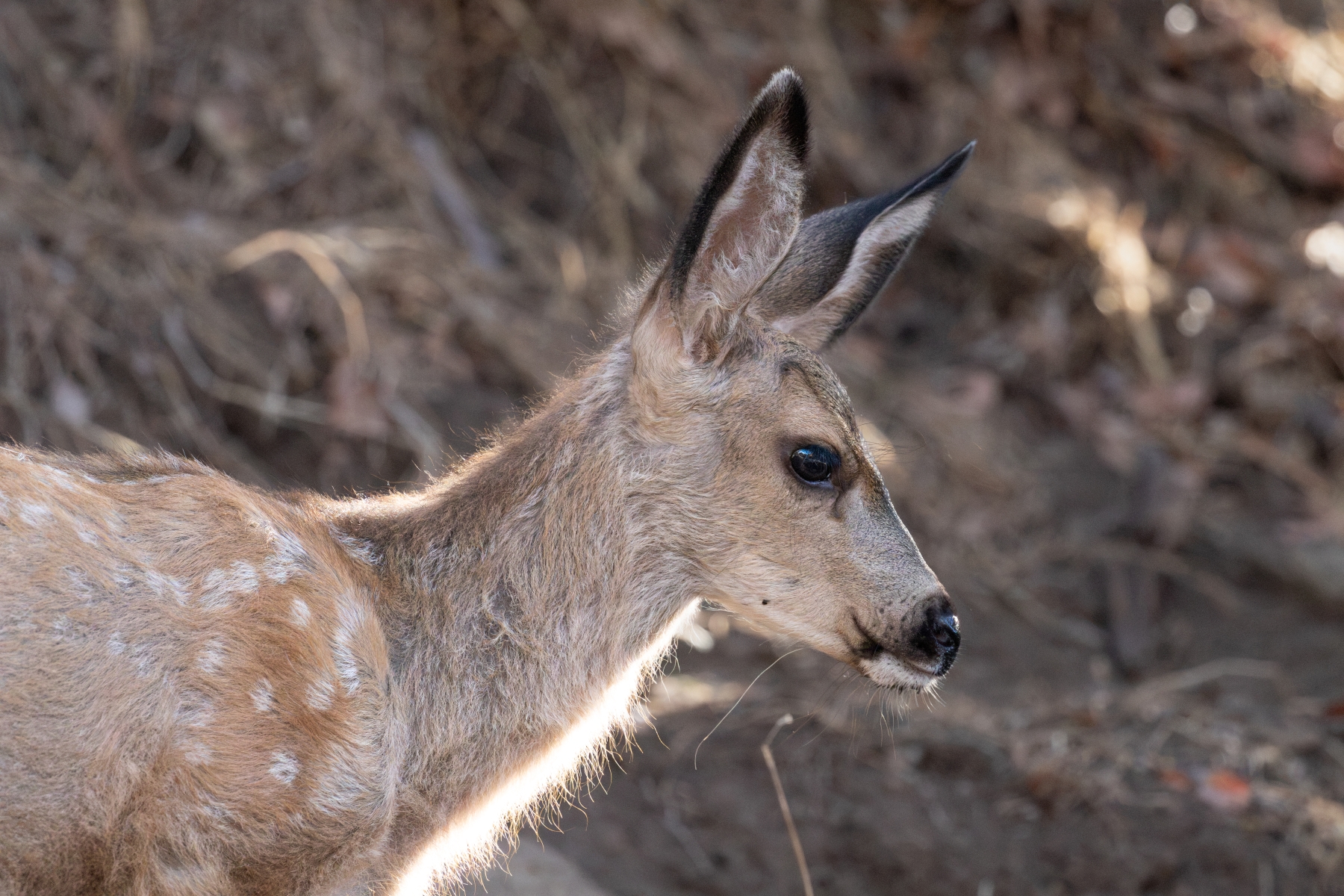


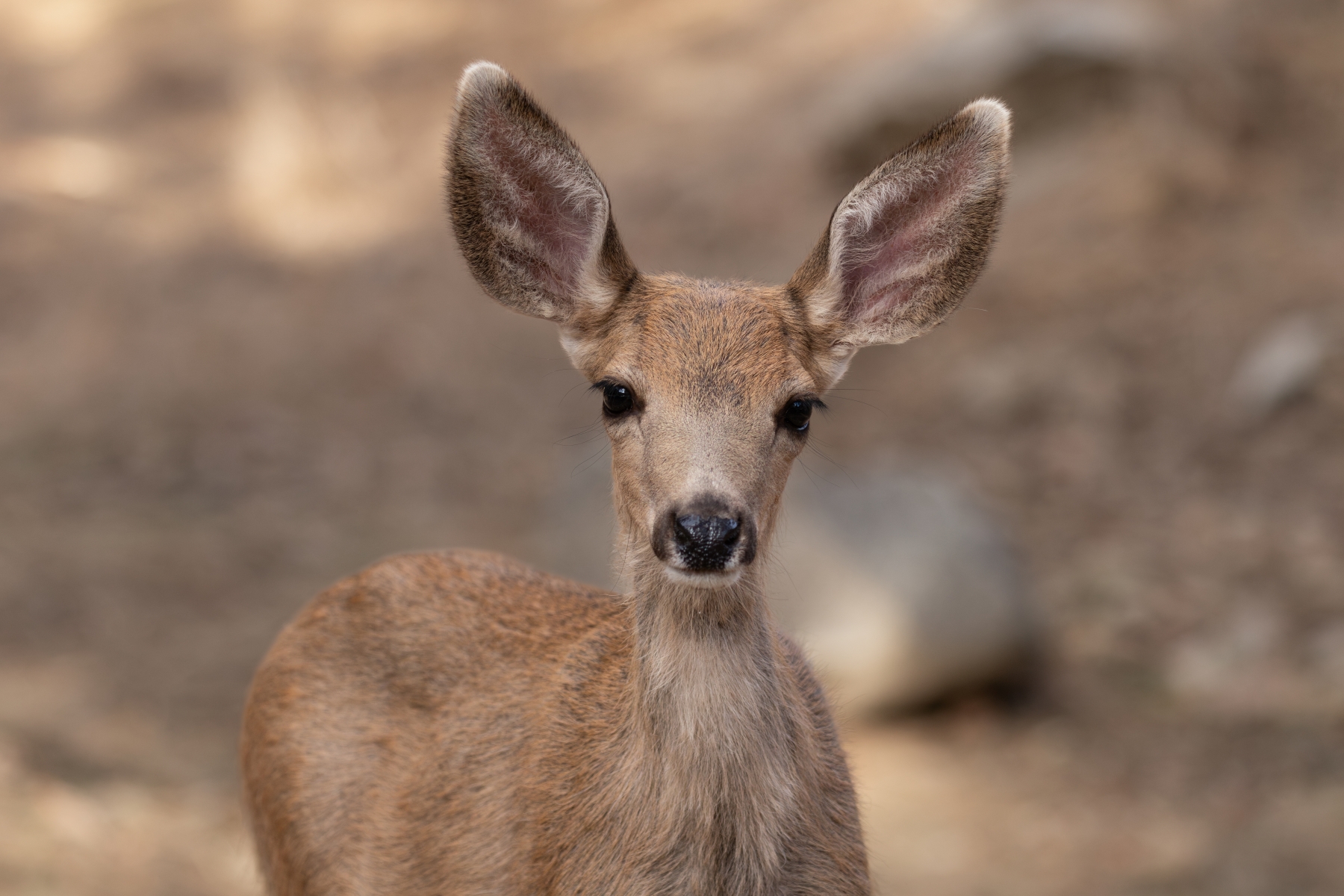
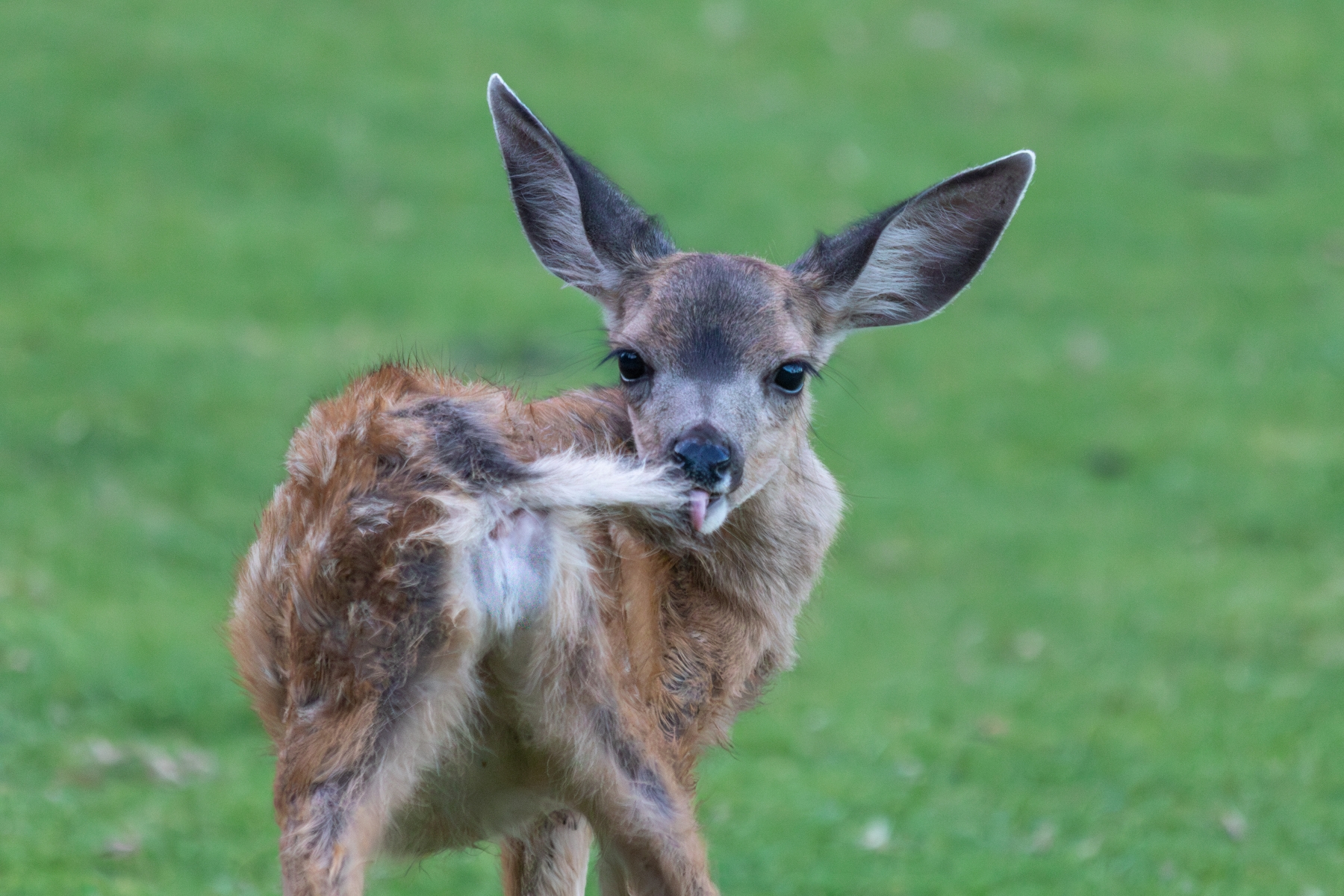
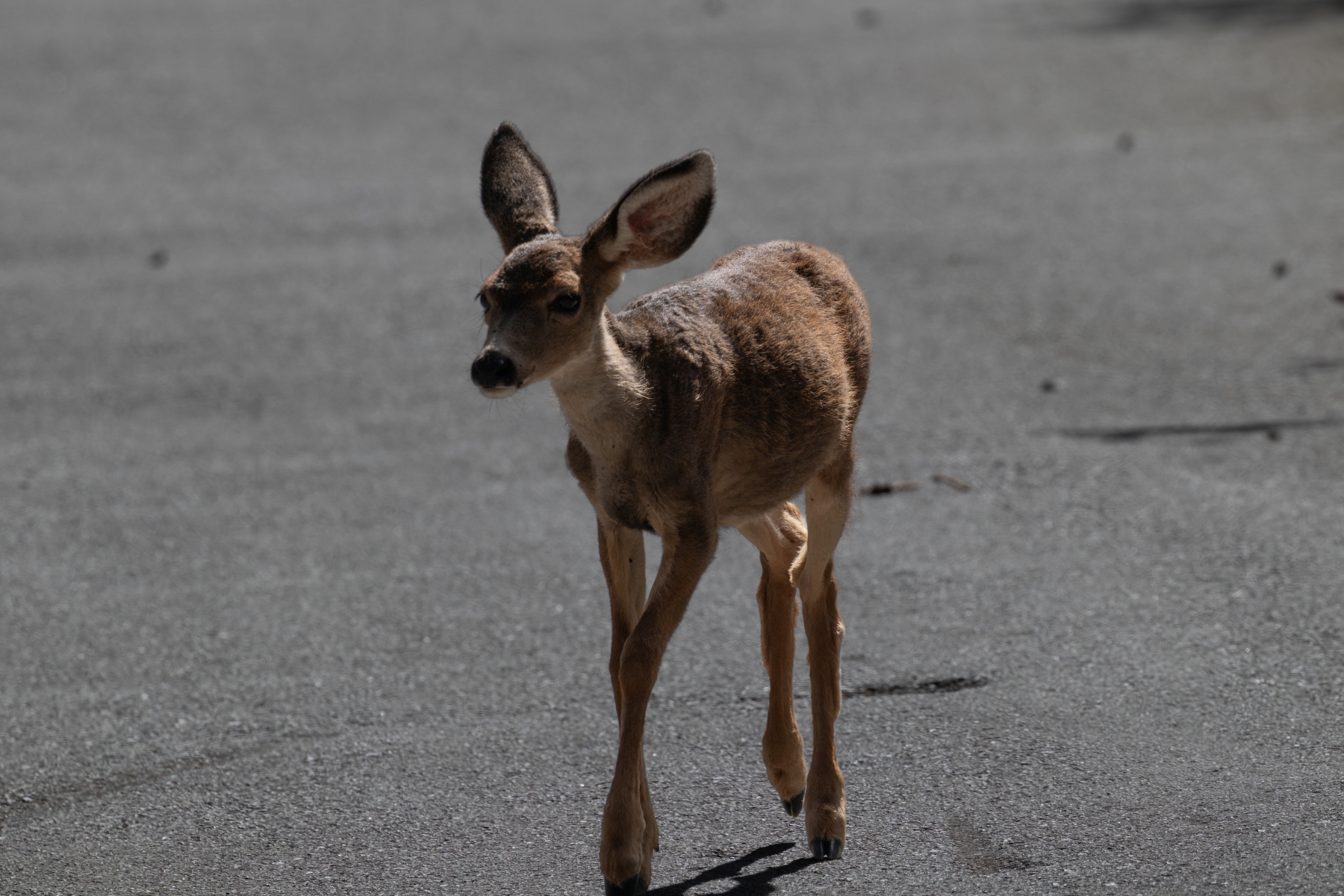


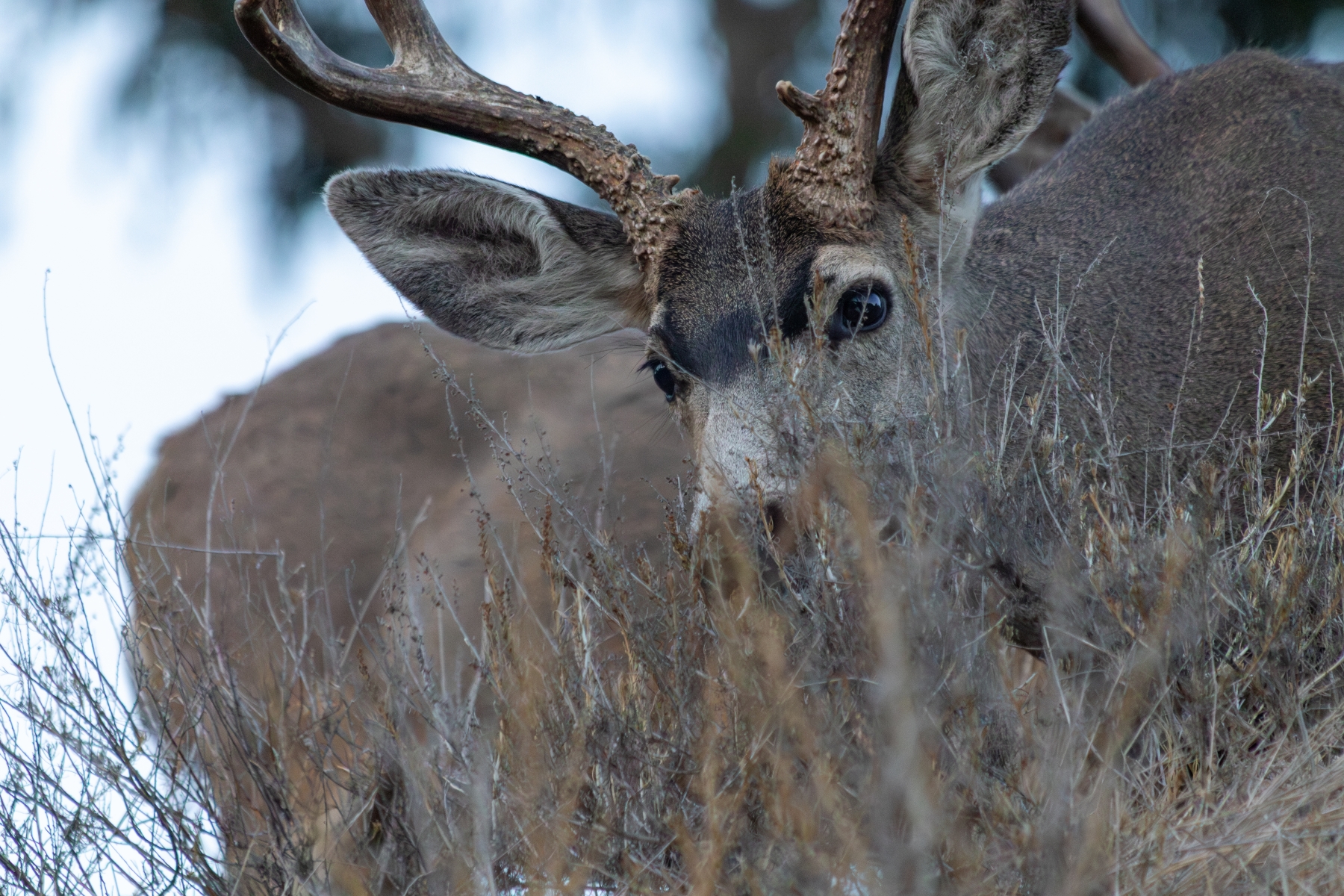


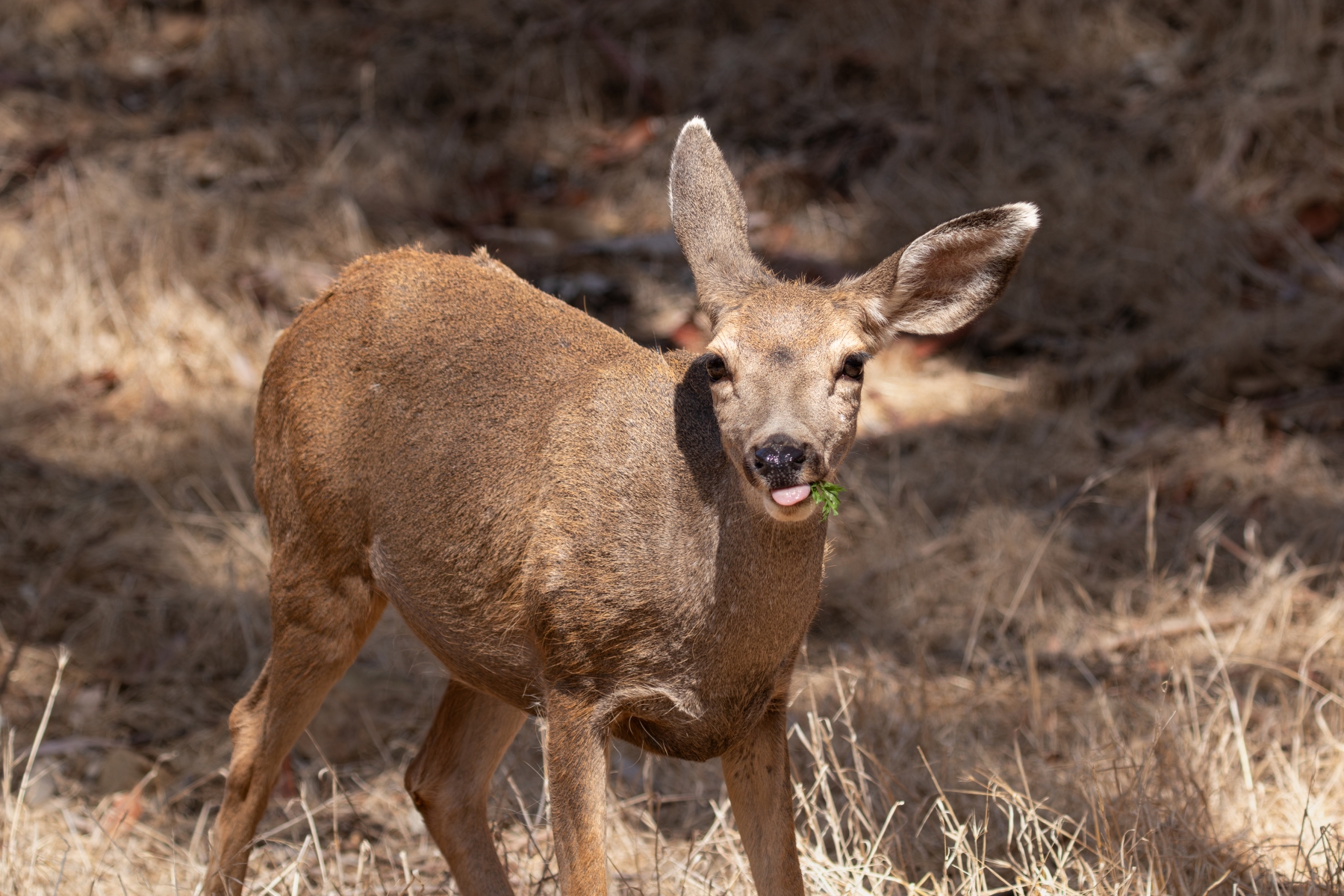


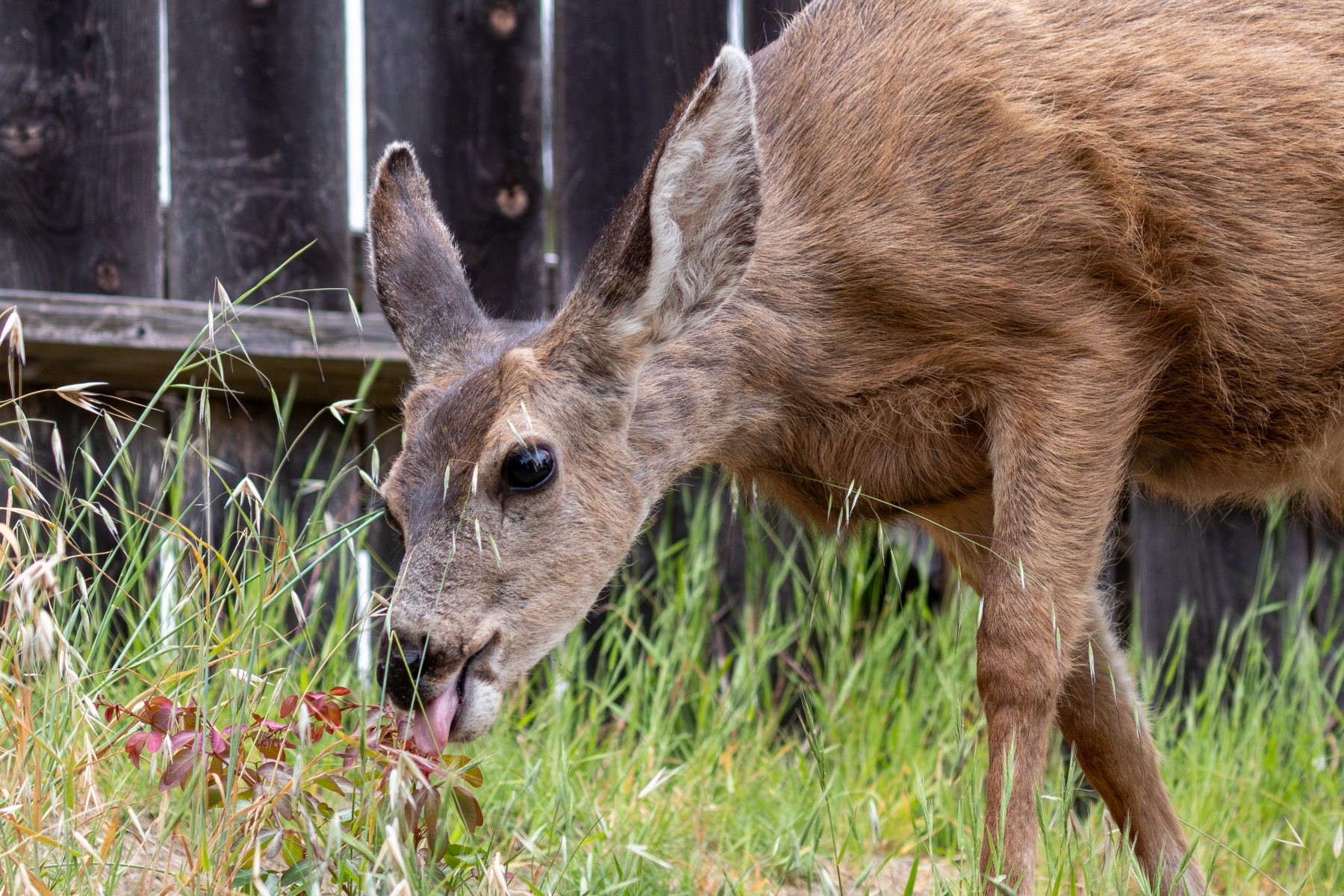
Catalina Island Mule Deer: Ecology & Conservation
Mule deer arrived on Santa Catalina Island in the late 1920s and early 1930s as a game species for hunting. Historical records indicate that people brought two deer to the island in 1928, followed by eight more in 1930. As a result, the population grew rapidly because the deer had no natural predators and no way to migrate off the island. By the late 1940s, estimates placed the herd at roughly 2,000 animals.
However, their rapid growth created problems surprisingly early. By the 1940s, deer were moving into irrigated areas during drought and heavily browsing vegetation. Wildlife managers tried to trap and relocate animals to the mainland, but the program proved difficult and costly. Ultimately, they removed only a small portion of the herd. In 1949, a regulated hunting season began as another attempt to control the population.
Today, the ecological concern centers on browsing pressure. Catalina’s native vegetation evolved without large browsing mammals such as mule deer. Therefore, many native plants are especially vulnerable to browsing. Research on the island has found that deer can suppress native plant recovery and encourage the spread of invasive grasses. In addition, their effects on vegetation can contribute to conditions associated with increased wildfire risk.
For a deeper look at Catalina’s mule deer, from their introduction in the late 1920s to the ongoing controversy surrounding their removal, read our Catalina Island Mule Deer history and conservation story.